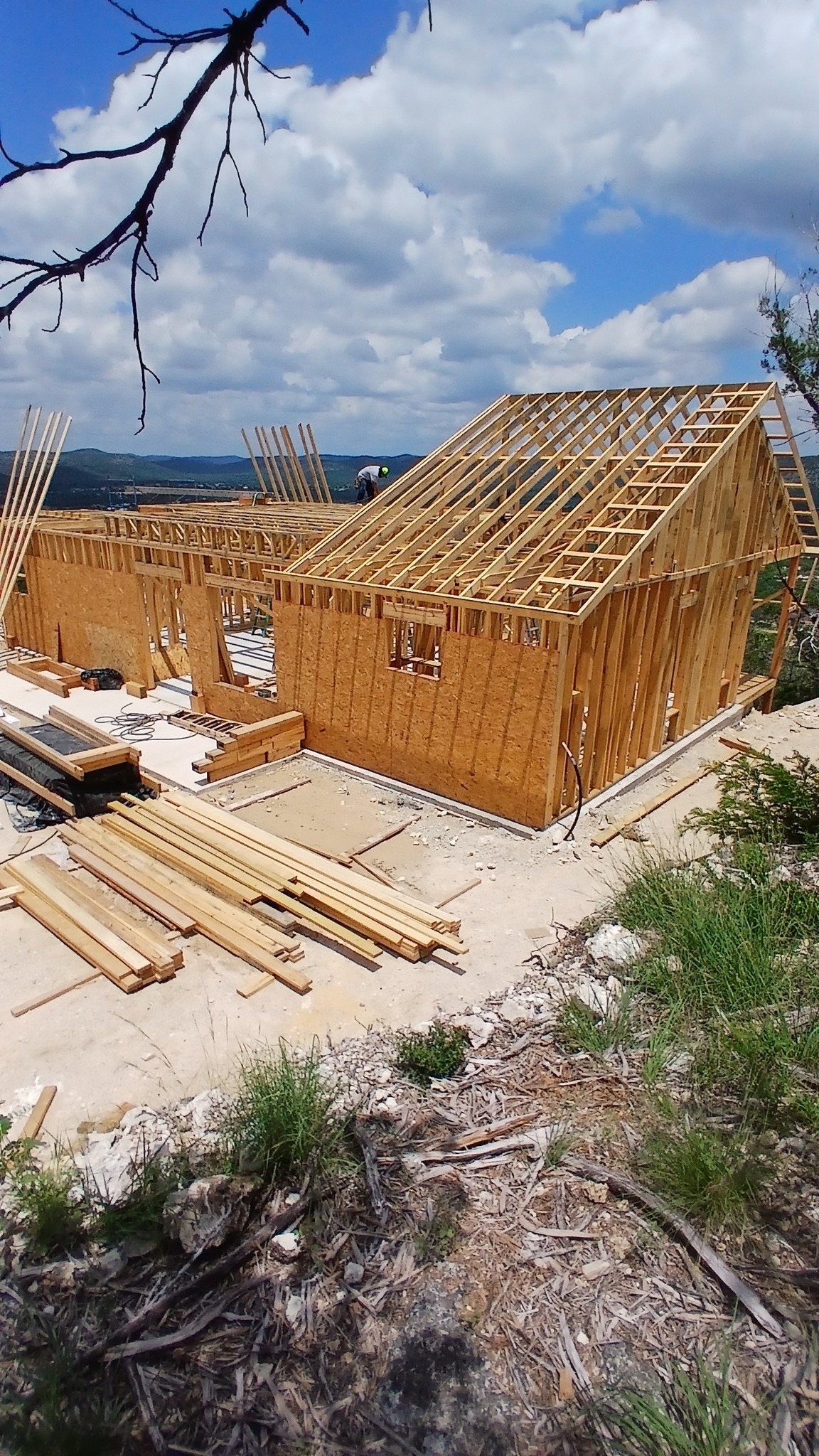
Resilient Design: How Thompson Construction Builds for Climate Challenges Jun 27, 2026
Resilient design is essential for communities facing unpredictable weather patterns, rising sea levels, and other climate-related issues. At Thompson Construction, we understand the gravity of these risks and adapt our practices to address them. But what exactly does resilient design involve and how does Thompson Construction implement these strategies effectively?
At the core of resilient design is the ability to withstand and recover from natural disasters and extreme weather. For Thompson Construction, this means an emphasis on building materials and techniques that enhance durability. Materials such as reinforced steel and impact-resistant glass are favored for their ability to endure high winds and heavy impacts, crucial for areas prone to hurricanes or tornadoes.
Moreover, Thompson Construction integrates sustainable technology into its projects to make buildings more energy-efficient. Solar panels, advanced insulation, and green roofing systems not only reduce the carbon footprint of a building but also make it self-sufficient in times of power outages, a common occurrence during extreme weather events. By reducing reliance on external power sources, our designs ensure that businesses and homes remain operational when they are needed most.
We also take flooding into account, a concern that’s becoming increasingly relevant. How we handle stormwater management is key to preventing water damage. Thompson Construction employs strategic planning in elevating buildings and incorporating permeable surfaces that absorb excess rainwater. These measures are vital for protecting property in regions susceptible to heavy rainfall and flooding.
Beyond physical structures, resilient design involves considering the surrounding environment. Our projects emphasize the importance of preserving natural landscapes and leveraging them to mitigate climate impacts. By constructing green spaces around buildings, we create natural buffers that help reduce heat and manage water run-off, improving both the building’s sustainability and the well-being of those who use it.
At Thompson Construction, our commitment to resilient design extends to educating our clients on its importance. We provide guidance on maintenance practices that will prolong the resilience of their properties, such as regular inspections and updates to infrastructure that can adapt to changing environmental pressures.
Another critical aspect of building for climate challenges is community involvement. Thompson Construction actively works with local governments and stakeholders to ensure that our projects meet or exceed local resilience standards. We believe that collaboration is crucial to creating a robust infrastructure that serves everyone’s needs.
In conclusion, as climate challenges become more prevalent, the need for resilient design in construction has never been more apparent. Thompson Construction is at the forefront of this innovative response, ensuring that each project is equipped to endure and thrive amidst these changes. By choosing us, clients not only invest in a robust piece of infrastructure but also in the security and sustainability of their future. Our approach embodies the balance between human necessity and environmental mindfulness, paving the way for a safer, more resilient tomorrow.
/filters:no_upscale()/filters:format(webp)/media/3e0ccad7-80f1-45b7-816b-a767f5972915.jpeg)
/filters:no_upscale()/filters:format(webp)/media/62a1e812-c3f1-497b-952b-45197458980d.jpeg)